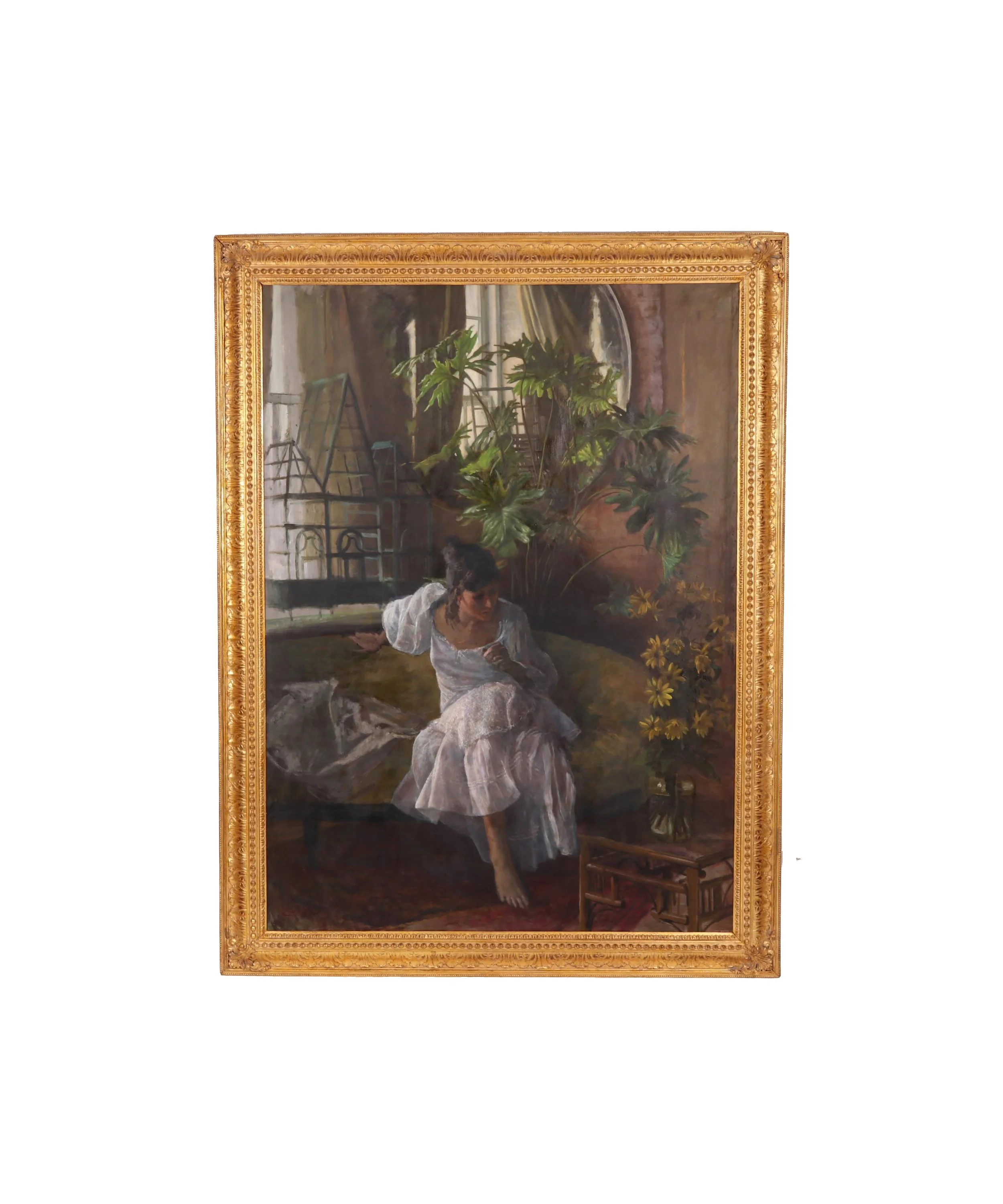
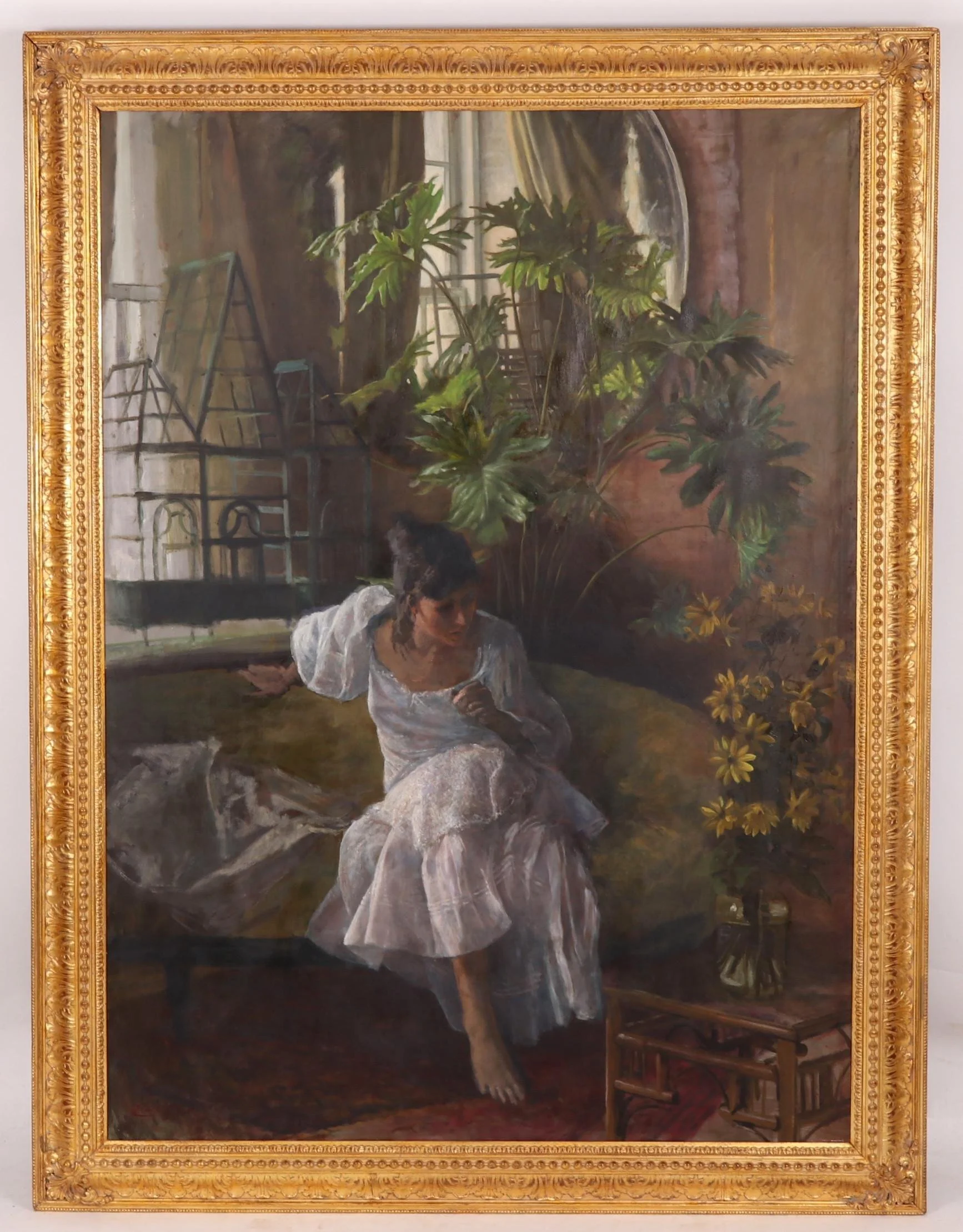
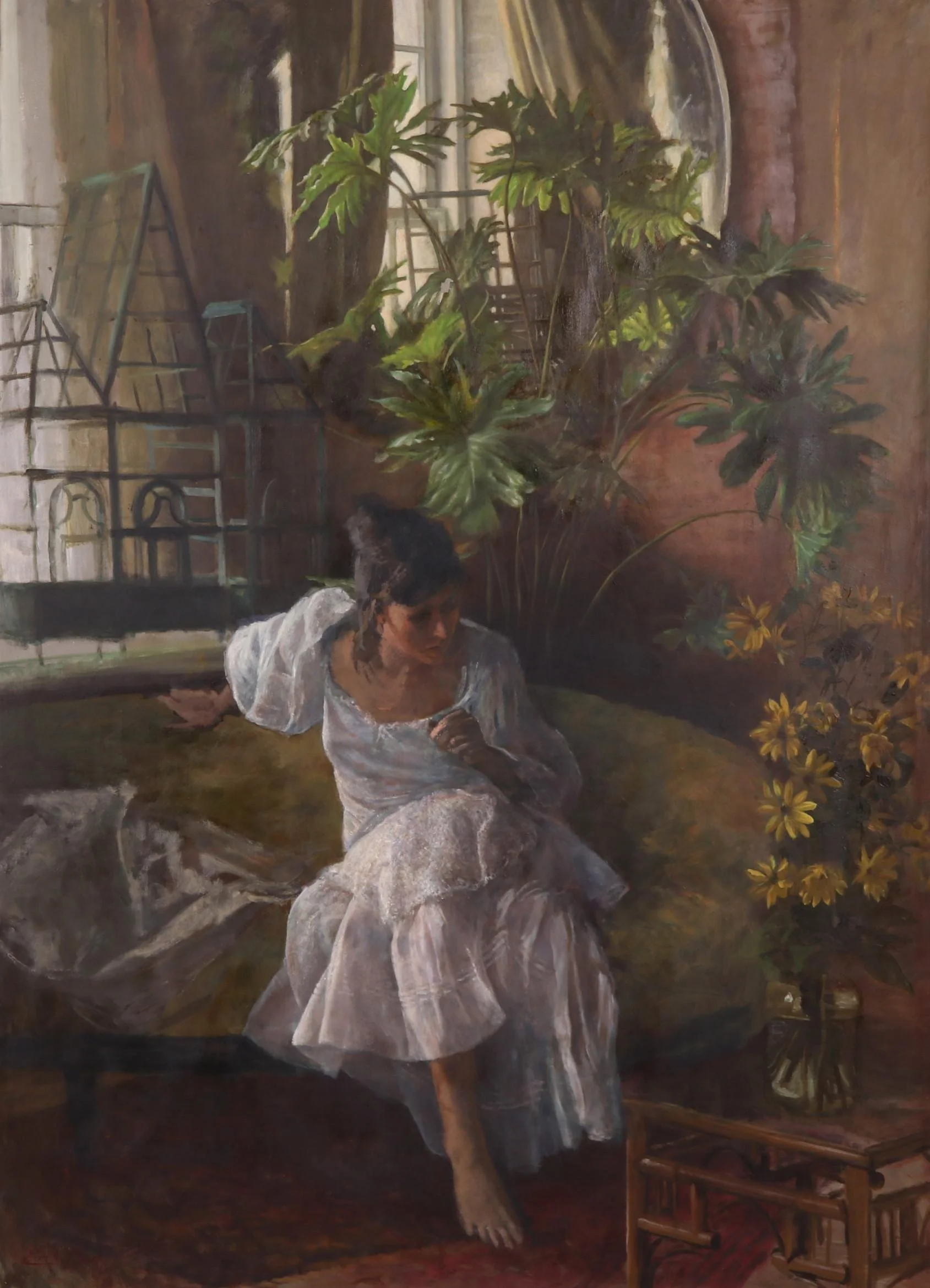
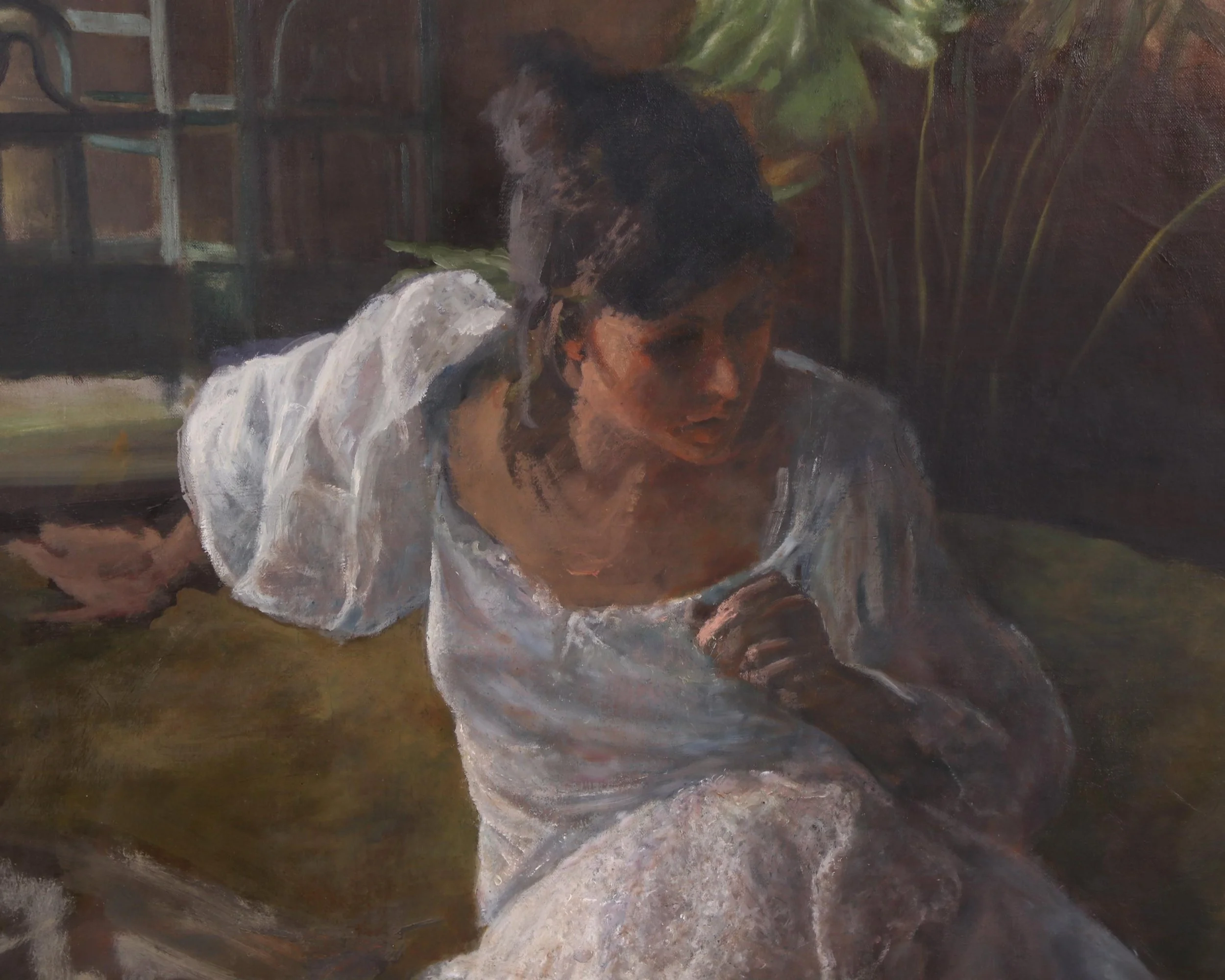
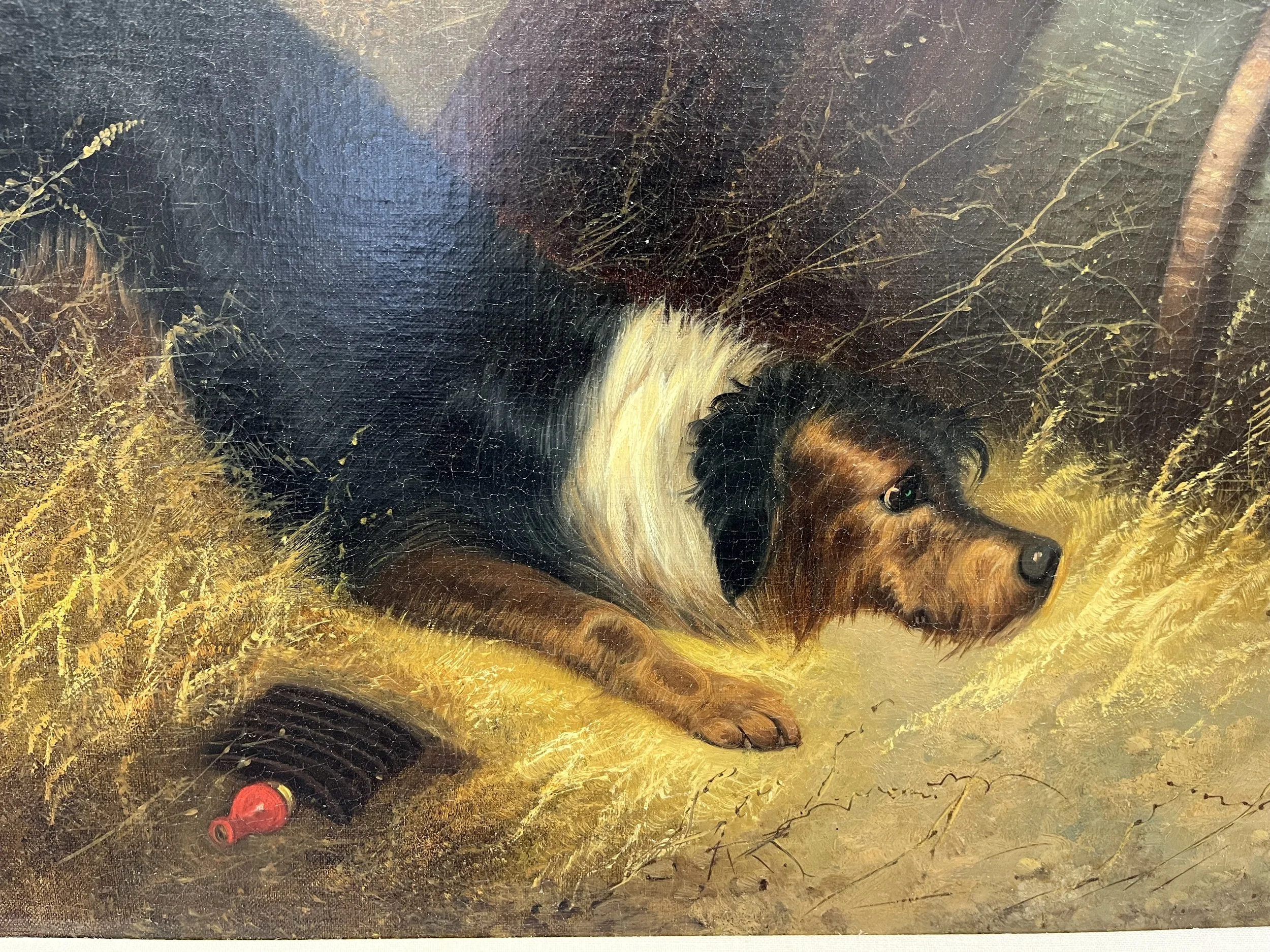
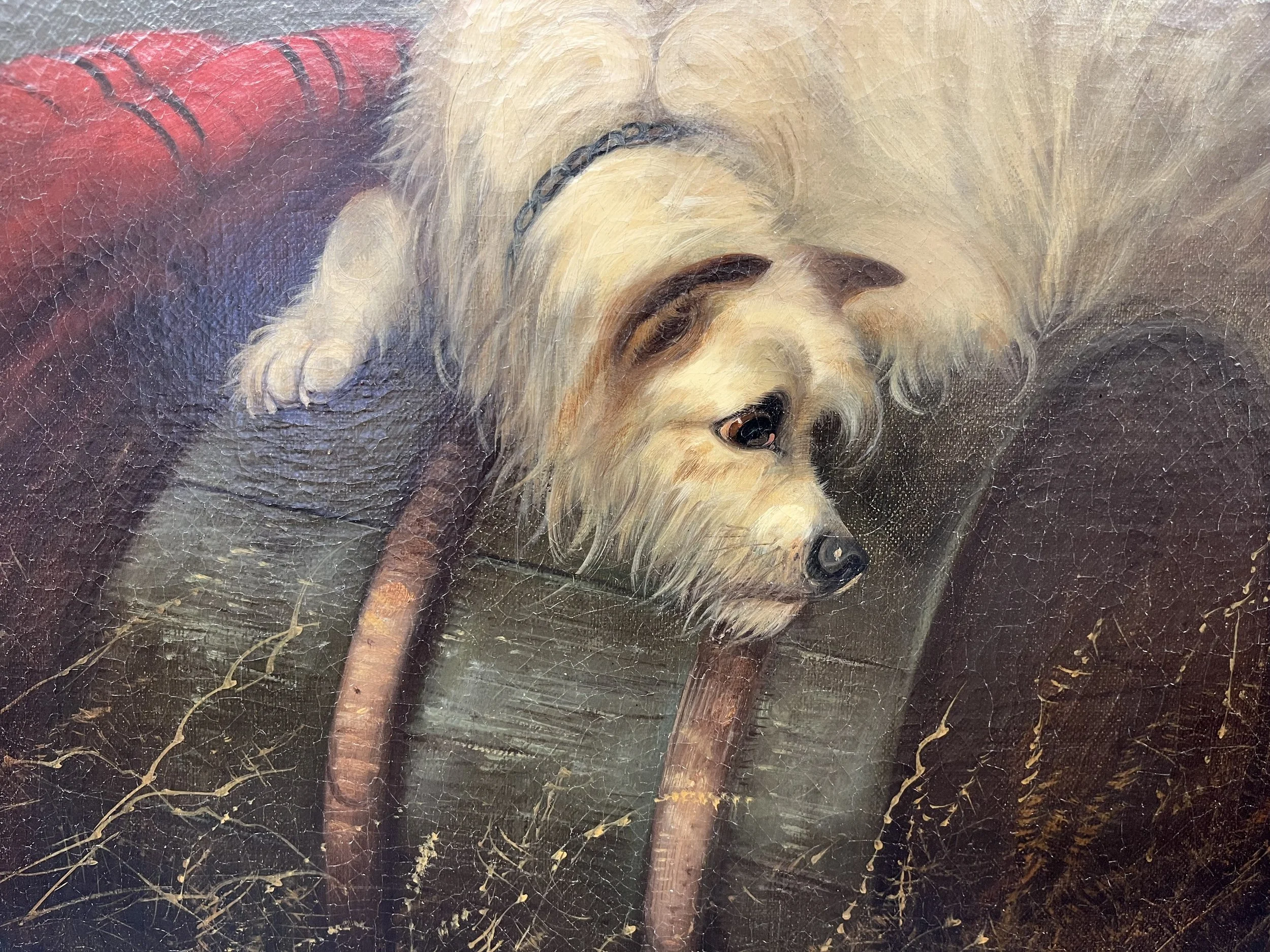
A captivating painting of a Parisian street scene employs a heavy impasto technique, characterized by thick, textured brushwork. This style, popular for capturing the ambiance of Paris, depicts a lively street scene from the “Belle Époque” era in Paris. The composition features figures, horse-drawn carriages, and quintessential Parisian architecture. The style bears a strong resemblance to renowned artists such as Antoine Blanchard, who specialized in these nostalgic scenes.
The “Belle Époque” (French for “The Beautiful Era”) was a period in French and European history, spanning approximately from 1871 (the conclusion of the Franco-Prussian War) to 1914 (the commencement of World War I). This era was marked by optimism, peace, economic prosperity, and significant technological, scientific, and cultural advancements, particularly in Paris. It fostered artistic movements like Impressionism and Art Nouveau and laid the groundwork for modern life through the introduction of electricity and mass consumerism.
Antoine Blanchard was a renowned French painter specializing in Parisian street scenes. His works vividly depict the daily life of citizens in the beautiful capital. Paris in the 1800s and its images served as the inspiration for many of his paintings. Blanchard often spent months perfecting a single piece before releasing it as finished. His limited number of works may be attributed to the extensive time he dedicated to each one. His subtle, bright, and shining tones convey a harmonious vivacity of the bustling street life. Employing unique shades and lighting techniques, Blanchard gradually blends lines to achieve gracious radiance that refreshes the eyes.
Brilliant examples of his work include Café de la Paix, la Madeleine, and l’Arc de Triomphe, which many consider his best. Due to his focus on the daily life of Parisians around the turn of the century, collectors worldwide have sought his paintings. It is no surprise that he is highly regarded as one of the greatest French painters in history.
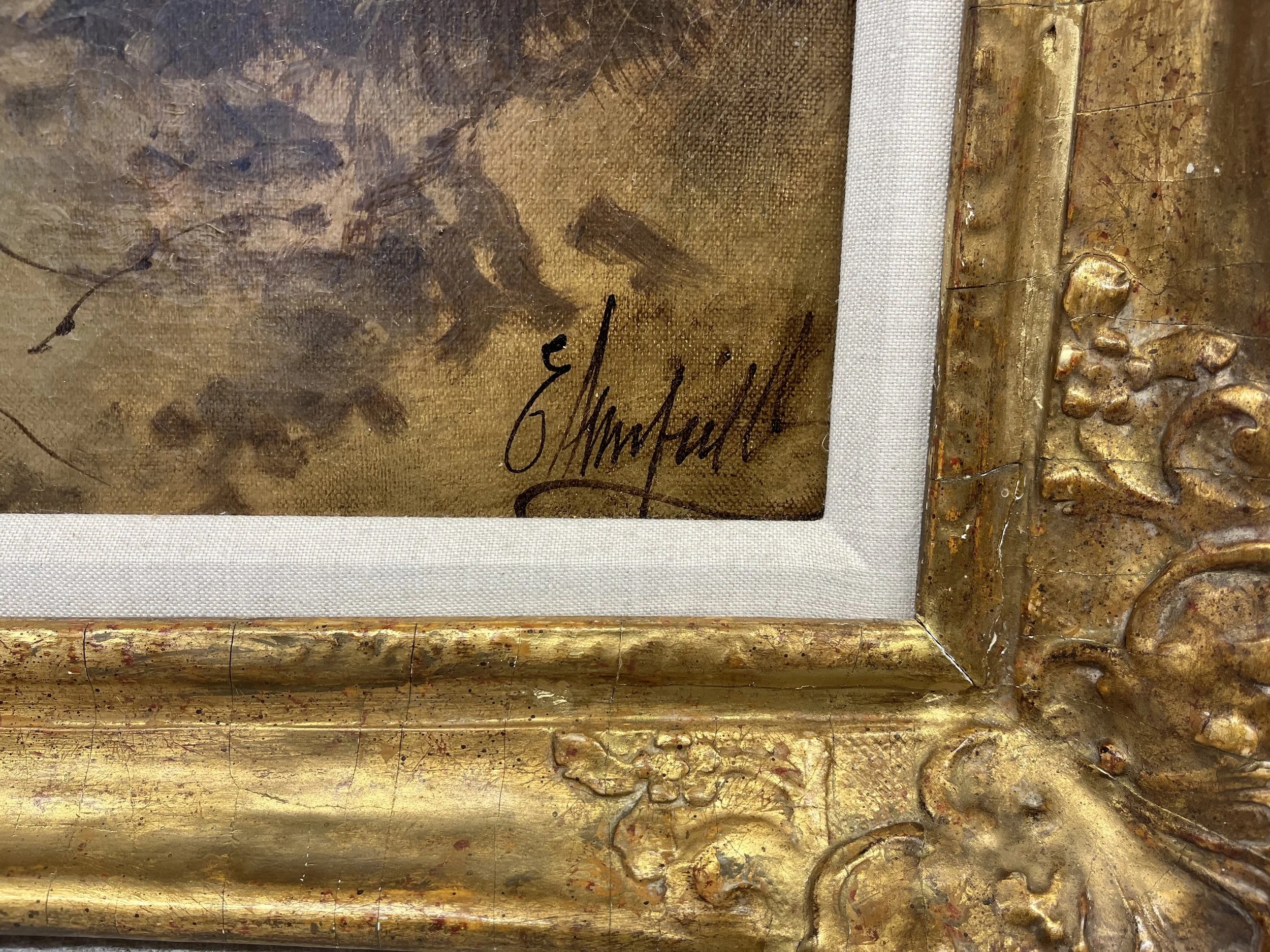
Signature illegible
Size: 31.25” H x 43” W, framed
C. 20th Century, France
A captivating painting of a Parisian street scene employs a heavy impasto technique, characterized by thick, textured brushwork. This style, popular for capturing the ambiance of Paris, depicts a lively street scene from the “Belle Époque” era in Paris. The composition features figures, horse-drawn carriages, and quintessential Parisian architecture. The style bears a strong resemblance to renowned artists such as Antoine Blanchard, who specialized in these nostalgic scenes.
The “Belle Époque” (French for “The Beautiful Era”) was a period in French and European history, spanning approximately from 1871 (the conclusion of the Franco-Prussian War) to 1914 (the commencement of World War I). This era was marked by optimism, peace, economic prosperity, and significant technological, scientific, and cultural advancements, particularly in Paris. It fostered artistic movements like Impressionism and Art Nouveau and laid the groundwork for modern life through the introduction of electricity and mass consumerism.
Antoine Blanchard was a renowned French painter specializing in Parisian street scenes. His works vividly depict the daily life of citizens in the beautiful capital. Paris in the 1800s and its images served as the inspiration for many of his paintings. Blanchard often spent months perfecting a single piece before releasing it as finished. His limited number of works may be attributed to the extensive time he dedicated to each one. His subtle, bright, and shining tones convey a harmonious vivacity of the bustling street life. Employing unique shades and lighting techniques, Blanchard gradually blends lines to achieve gracious radiance that refreshes the eyes.
Brilliant examples of his work include Café de la Paix, la Madeleine, and l’Arc de Triomphe, which many consider his best. Due to his focus on the daily life of Parisians around the turn of the century, collectors worldwide have sought his paintings. It is no surprise that he is highly regarded as one of the greatest French painters in history.
Signature illegible
Size: 31.25” H x 43” W, framed
C. 20th Century, France

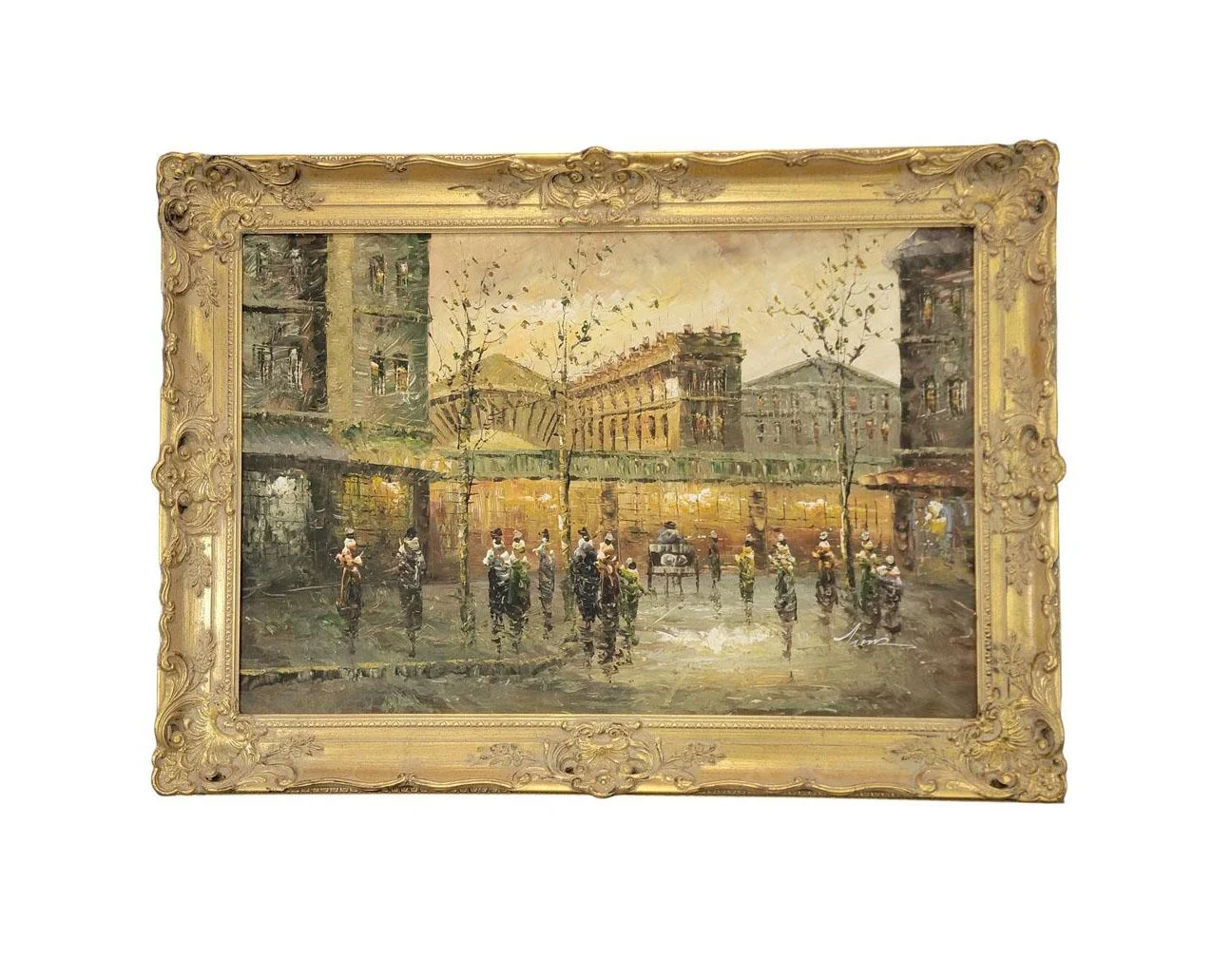 Image 1 of 8
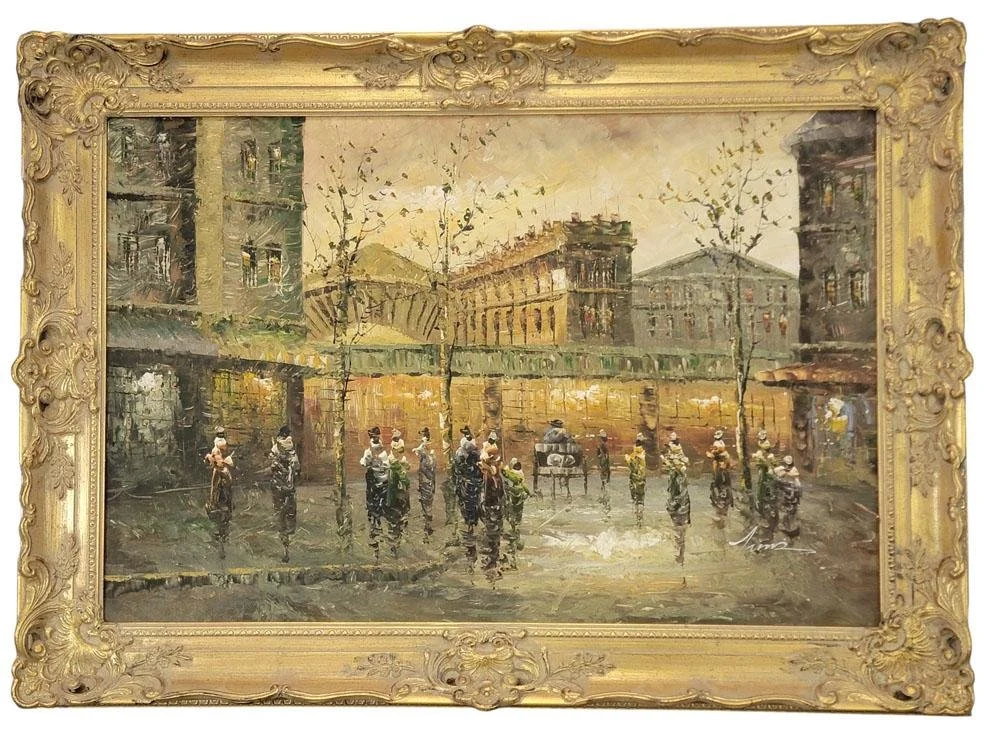 Image 2 of 8
 Image 3 of 8
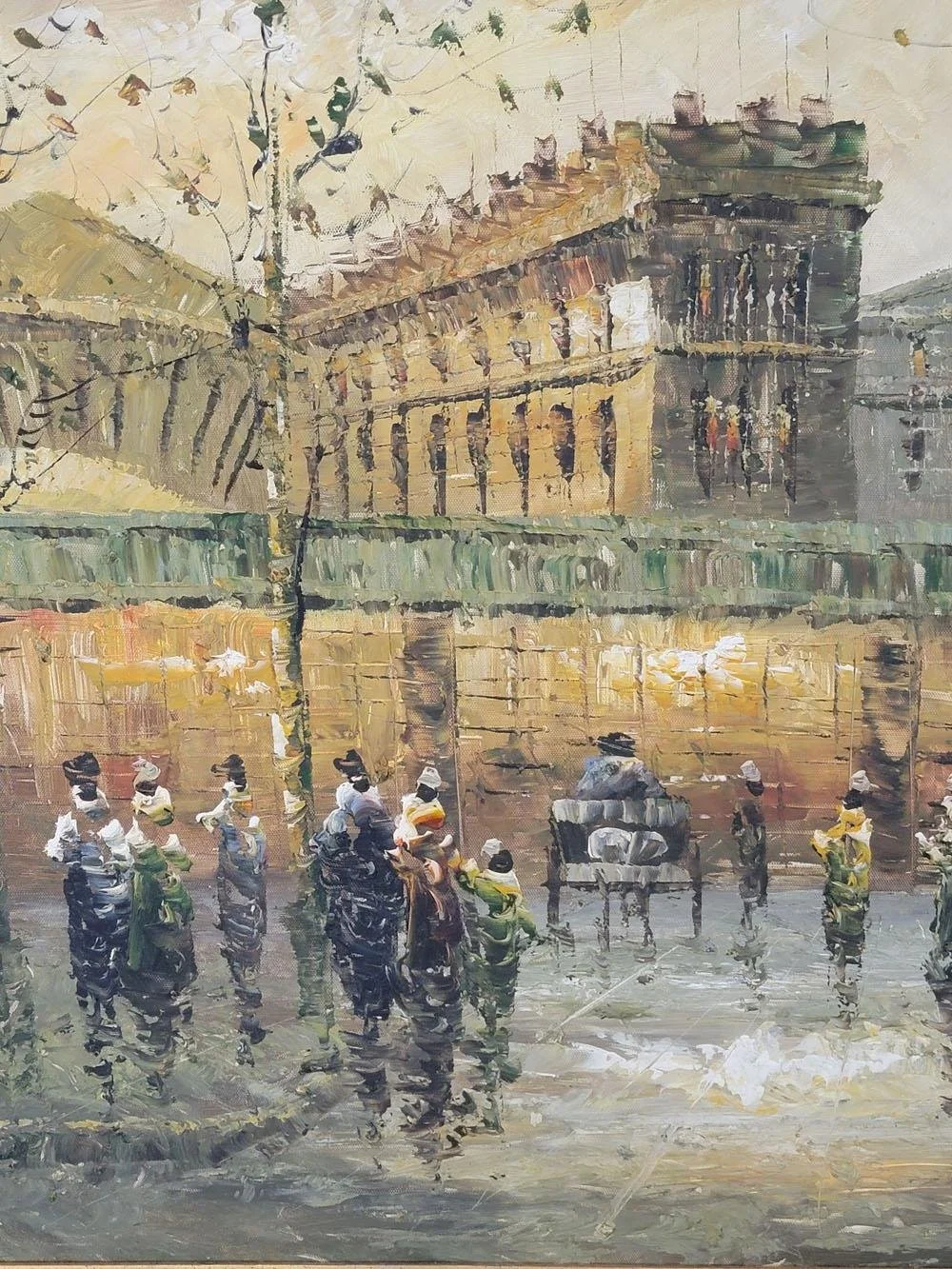 Image 4 of 8
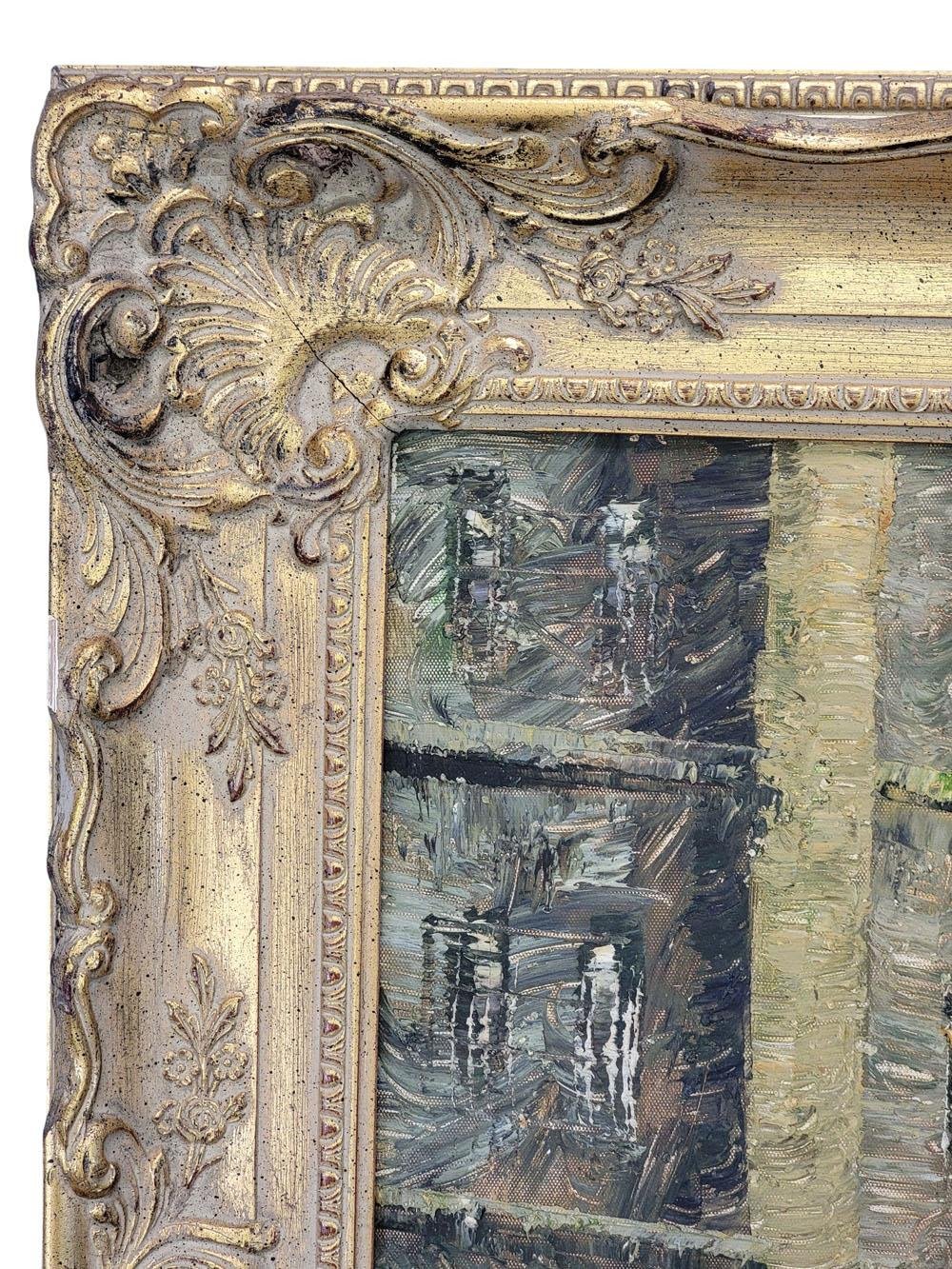 Image 5 of 8
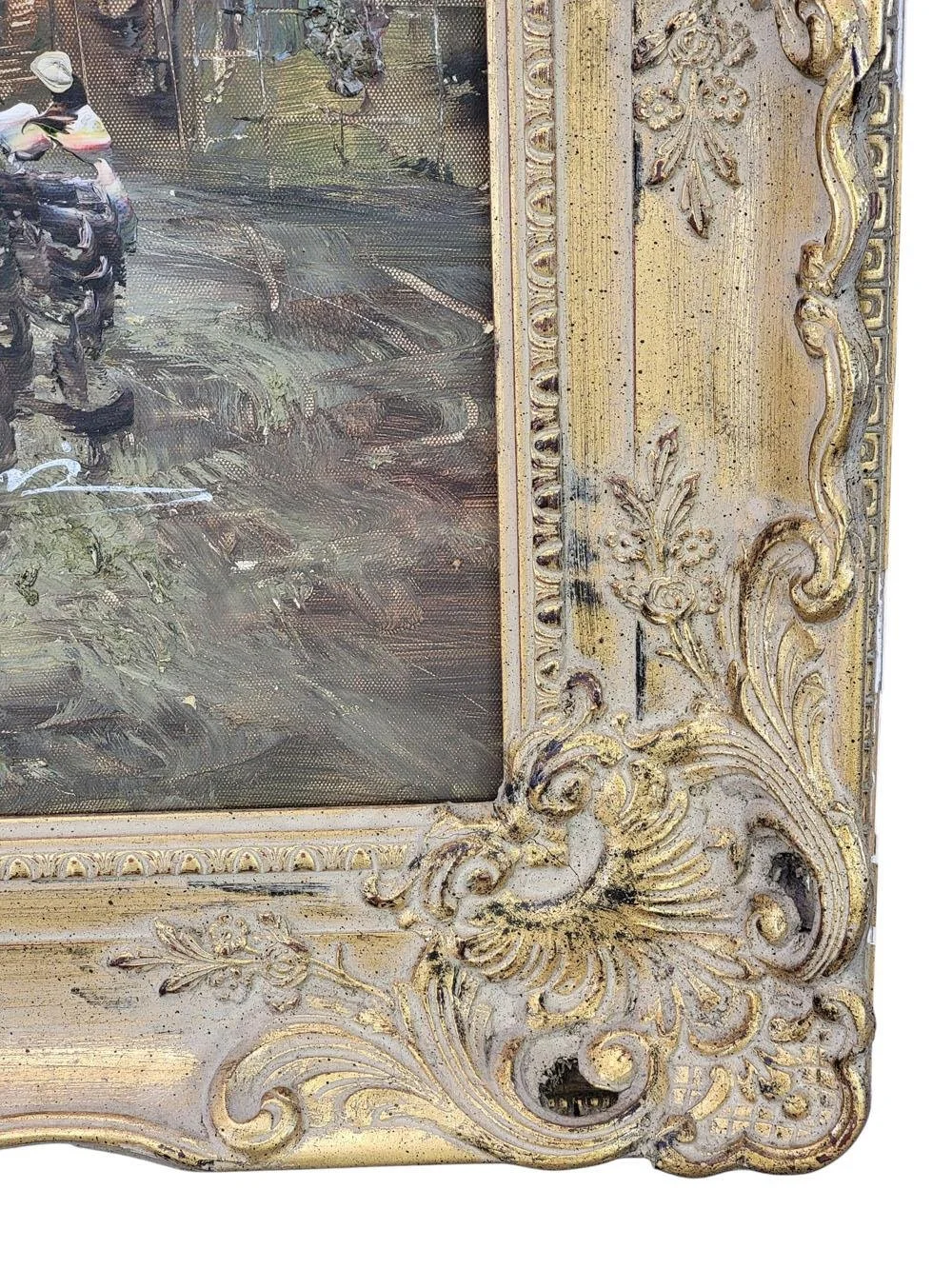 Image 6 of 8
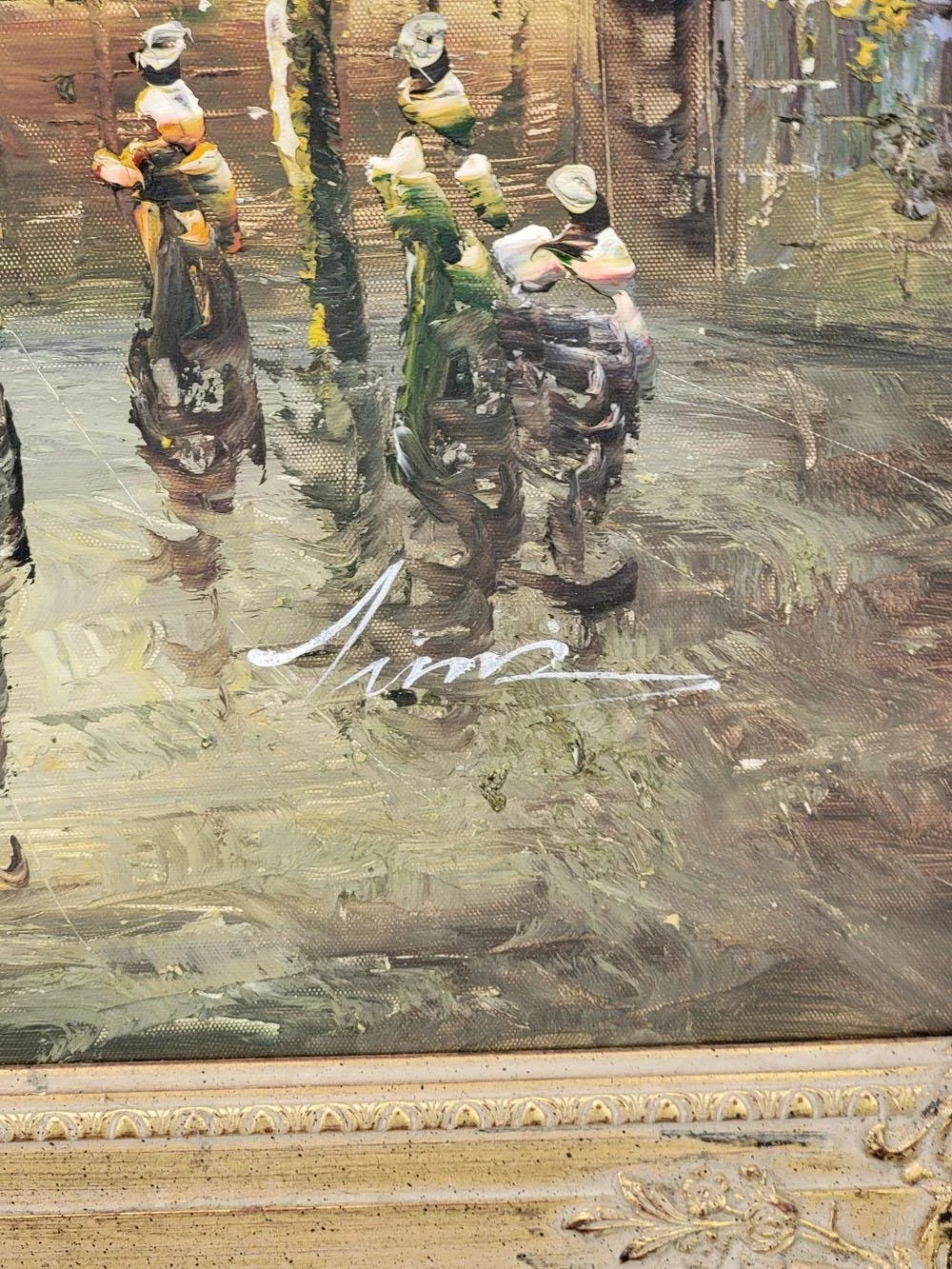 Image 7 of 8
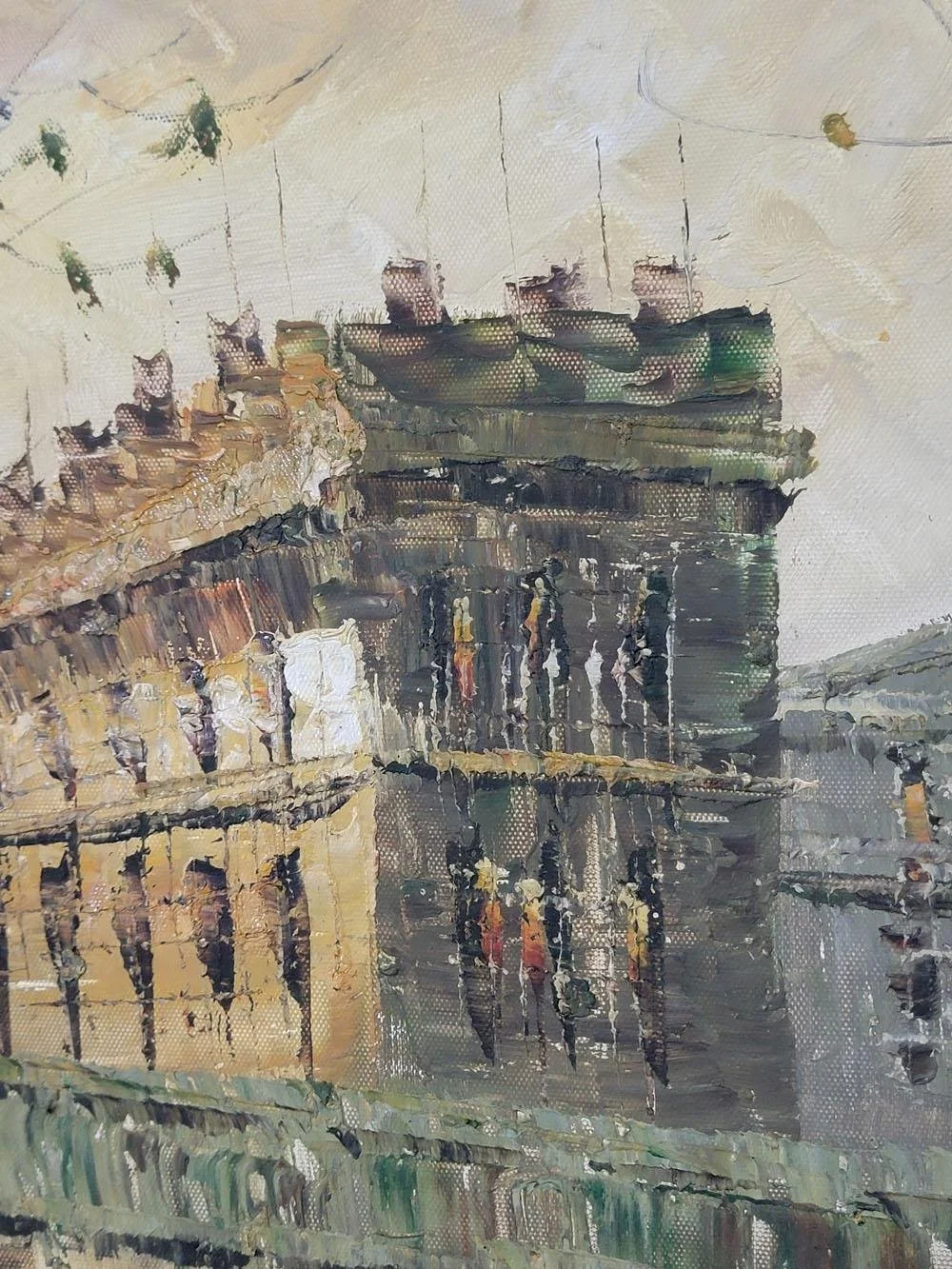 Image 8 of 8